







Add Row
Add Element
Southeast Michigan Home and Yard Logo
update
update
Add Element
  • Home
  • Categories
    • Home
    • Yard
    • Technology
    • News
    • Food
    • Events
    • Featured

Southeast Michigan

HOME AND YARD

  • Facebook Home and Yard Page
    update
  • update
  • update
  • update
  • update
  • update
  • update
May 04.2025
3 Minutes Read

Fixing a Hole in Drywall: Simple DIY Home Repair Guide

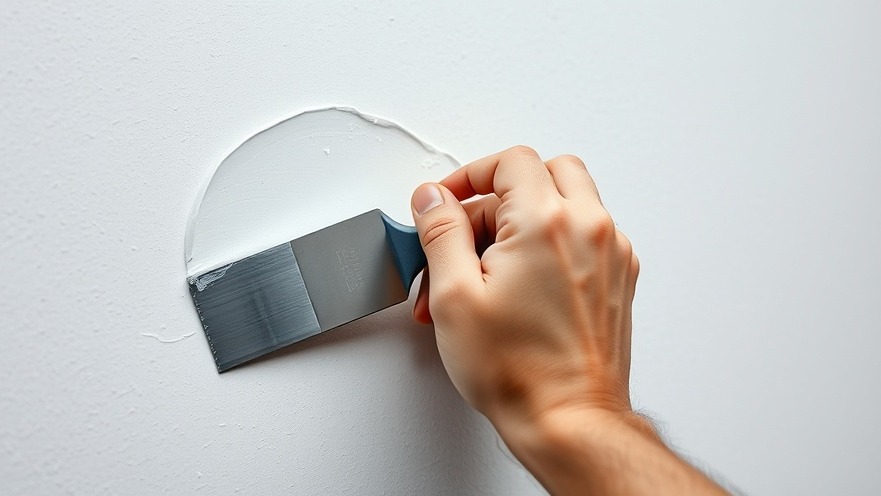
Close-up of drywall repair, smoothing with a putty knife in natural light.


Mastering the Art of Drywall Repair: Solving Common Issues with Ease

For homeowners, small holes and cracks in drywall can feel like an impending disaster, but fear not! Learning how to fix a hole in drywall is a crucial DIY skill. With just a few supplies and some simple steps, you can achieve professional-looking results that will make your walls look as good as new. Let's break down this process and explore why it’s a valuable addition to every homeowner’s toolkit.

Gathering the Right Tools and Materials

Before embarking on your drywall repair journey, it’s essential to gather the necessary tools. You’ll need a putty knife, fine-grit sanding sponge, paintbrush, and most importantly, a work light to illuminate your repair area. Additionally, having clean rags, some high-quality spackle, and paint matching your wall color will ensure a seamless finish.

Illuminating Hidden Flaws: The Importance of a Work Light

Many homeowners overlook the critical step of properly lighting their repair area. By using a work light, you can spot imperfections in your drywall that you might not notice otherwise. When you shine a light across the wall, it will reveal any undetected holes, making it easier to address all issues in one go. This approach not only saves time but also ensures a more polished final look.

Step-by-Step Instructions for Flawless Repairs

While the steps to repair drywall are relatively straightforward, attention to detail is key in achieving the best results. Here's how to go about it:

  1. Turn on the work light: Position it correctly to highlight any defects on the wall.

  2. Sand off loose drywall: Using either a fine-grit sanding sponge or a putty knife, smooth out the area around the hole to create a clean surface for repair.

  3. Remove drywall dust: Wipe the area with a damp rag to eliminate dust, ensuring good adhesion for the spackle.

  4. Apply the spackle: Using the putty knife, apply a layer of spackle to the hole, pressing down firmly to fill it completely.

  5. Allow to dry: Patience is key! Wait one to five hours, depending on conditions, for the spackle to dry fully.

  6. Sand and paint: Once dry, sand the area gently to create an even surface and finish with paint to match your wall.

Understanding the Different Types of Spackle

When selecting a spackling compound, you'll encounter various options including lightweight, all-purpose, heavyweight, and epoxy versions. For small holes, a lightweight, non-shrinking spackling compound is often the best choice because it’s easy to work with and dries quickly. Familiarizing yourself with these types adds another layer of expertise to your repairs, ensuring you always use the right tool for the job.

The Takeaway: Empowering Yourself to DIY

Diving into home repair projects can be daunting, but understanding how to fix a hole in drywall is a step toward DIY empowerment. No longer do you need to live with those pesky imperfections on your walls! By taking the time to learn and practice this skill, you can keep your home looking its best without the connections of a handyman.

Ready to tackle your next home project? Keep these insights in mind as you unleash your inner handyman!


Home

Write A Comment

*
*
Related Posts All Posts
12.25.2025

Is Using Nitrogen in Your Tires Worth It? Key Insights for Homeowners

Update Understanding the Tire Inflation Options for Your HomeAs a homeowner in Southeast Michigan, maintaining your car is as crucial as keeping your home in top shape. One key aspect that often gets overlooked is tire inflation. You may have heard about using nitrogen to fill your tires and wondered, "Is it really worth it?" Let's dive deeper into the pros and cons of nitrogen tire inflation to see if it aligns with your DIY priorities at home.The Benefits of Using Nitrogen in TiresNitrogen tire inflation proponents often tout several benefits. They claim that nitrogen helps maintain a steadier tire pressure even with temperature changes, which is essential for optimal tire performance and safety. According to Jim DeLeo of Hunter Engineering Company, nitrogen molecules are larger than oxygen molecules, theoretically enabling nitrogen-filled tires to leak air more slowly.Additionally, nitrogen does not carry moisture like standard air, which can contribute to the corrosion of wheels and tire pressure monitoring systems (TPMS). This makes nitrogen appealing, especially for those who want to prolong the life of their tires. However, while these points sound promising, the real-world impact may not be as significant as it seems.What Science and Studies RevealResearch conducted by Consumer Reports reported a marginal difference in air loss between nitrogen and standard air. In a year-long study with 31 tires, nitrogen-filled tires only lost 2.2 psi compared to 3.5 psi for those filled with air. That's just a 1.3 psi advantage over twelve months. Notably, the National Highway Traffic Safety Administration found that while nitrogen helps slow down air loss, it doesn't significantly extend tire life or improve rolling resistance in a practical sense.The Practical Side of Regular AirConsidering that regular air is already composed of approximately 78% nitrogen, the practical benefits of filling your tires with pure nitrogen are questionable for most car owners. Experts from AAA emphasize that tires filled with nitrogen still require regular maintenance. They don't magically become maintenance-free, and checking tire pressure remains critical.Cost vs. Benefit AnalysisFilling tires with nitrogen often comes with added expense—typically between $5 to $30 per tire. For the average homeowner who maintains their vehicle consistently, using regular air might be the more sensible and economical choice. Investing that extra money elsewhere could potentially provide a better return, such as in necessary home repairs or maintenance.Conclusion: Making Informed Decisions for Your Car and HomeUnderstanding the practical implications of nitrogen versus regular air for tire inflation can help you make informed decisions as a homeowner. While nitrogen may offer benefits in commercial or high-performance applications, for everyday driving, regular air—combined with diligent maintenance—proves to be the more effective and budget-friendly option.So, the next time you're at the auto shop, perhaps consider sticking with good old air. It's free, abundant, and as the experts recommend, ensuring proper tire pressure is the key to lasting tire performance.

12.24.2025

Unlocking the Secrets of Highway Signs: No GPS Required!

Update Mastering Highway Navigation Without GPS Despite living in an age dominated by Global Positioning Systems (GPS), mastering the art of navigation via highway signs can significantly empower drivers, especially those traversing unfamiliar territories. For Southeast Michigan homeowners eager to explore other locations or even local routes, understanding the signs is not just useful—it's imperative. Historical Insights on Highway Navigation The evolution of road signs is just as crucial as the devices many rely on today. Before the interstate highway system took shape, travelers faced confusion due to inconsistent street naming and numbering, as highlighted by experts like Jason Reese from the Wagner Reese law firm. The 1956 Federal Aid Highway Act standardized these signs, resulting in a simplified navigation experience that is still relevant today. The Science of Sign Shapes and Colors When driving, recognizing shapes and colors can enhance your navigation skills. Regulatory signs—the ones outlining the rules of the road—are typically rectangular with black and white designs. On the other hand, warning signs are generally diamond-shaped and yellow, signaling potential hazards. Understanding these distinctions can help you respond instinctively to situations like merging traffic or roadwork ahead. According to the Swerve article, this is crucial for new drivers, but equally valuable for seasoned ones looking to improve their road-reading skills. How the Interstate Numbering System Works Knowing how interstates are numbered can be beneficial. For example, even-numbered routes run east to west, while odd-numbered routes run north to south, a system designed to ease traveling across state lines. The incorporation of three-digit highways adds another level of detail, classifying them as loops or spurs that connect to major interstates. Understanding this, especially if you’re driving on a trip, can help avoid costly detours. Practical Tips for Navigating Without GPS When you venture out on the highways, consider these actionable insights for optimal navigation: Familiarize Yourself With Common Sign Meanings: If you know what signs like ‘Yield,’ ‘Stop,’ or ‘No U-Turn’ look like, you’ll feel more confident. Spend Time Studying Signs: Just as one might study a recipe, familiarizing oneself with traffic systems can prevent confusion when it counts. Practice Patience: If you find yourself lost, don’t panic. Reduce your speed and look for signs that can guide you. The Unique Value of Mastering Road Signs For homeowners in Southeast Michigan, especially those engaged in DIY projects or home improvement journeys, understanding road signs can be an unexpected ally. It bridges the gap between good driving and safe exploration. Engaging with the landscape around you enriches the experience, turning routine drives into explorative adventures. Understanding the Impact of Sign Variability While the federal guidelines create a base, variations in state traffic signs can still impose unique challenges. States may adapt signs to suit local traffic conditions or highlight regional issues. Understanding these nuances allows drivers to remain alert and responsive wherever their travel may lead them. In summary, by learning to navigate effectively using highway signs, drivers can feel confident and empowered, turning unfamiliar trips into successful adventures without the reliance on technology. So, stop and take a moment to engage with your driving environment; it might just make you a better and more adventurous driver!

12.22.2025

Why Speeding Might Not Save Time – Understanding Real Risks

Update The Urban Myth of Saving Time on the Road Most of us have been there: racing to get to our destination, convinced that a few extra miles per hour will save us precious minutes. It’s a common belief, especially among those juggling tight schedules in cities like Detroit or Ann Arbor. But, what's the real cost of speeding beyond just the ticket? Research reveals the time benefits of speeding are minimal, often overshadowed by the risks associated with such behavior. Speeding: The Numbers Don’t Lie According to a study from Cambridge University, the saved time is surprisingly negligible. Take a 100-mile trip for instance: driving at 65 mph saves about 12 minutes compared to 55 mph, and at 75 mph, the savings only extends to 28 minutes. However, this data assumes ideal conditions—clear highways free of red lights and traffic jams. Steve Norman, a certified driving instructor, points out that every driver faces real-world obstacles such as traffic signals, school zones, and rush-hour congestion, which quickly negate any time saved. Moreover, these frustrations can lead to anxiety and more aggressive driving, all of which contribute to higher chances of accidents. The Fatal Risks of Speeding Statistics from the National Highway Traffic Safety Administration (NHTSA) paint a harrowing picture: in 2022, speeding was a factor in nearly 30% of all traffic fatalities, translating to countless lives lost every year. The physics of speed highlights that the faster you go, the more challenging it becomes to stop or take evasive action in an emergency. As per Travelers Insurance, every increment of 10 mph increases the likelihood of fatal accidents. Understanding Consequences: Beyond the Ticket Roger that speeding comes with immediate and long-lasting consequences. Aside from the possibility of a hefty fine, speeding can severely impact your insurance rates. Insurers regard speeders as high-risk drivers, resulting in elevated premiums that can follow you for years. In fact, the economic burden of a crash due to reckless driving may exceed $167,000, a price tag far more demanding than the fleeting minutes saved on the road. Emotional Toll and The Broader Community Impact It’s essential not just to look at personal ramifications but also to consider the emotional and social cost of speeding. Each accident leaves its mark on families, friends, and communities, introducing grief and trauma that last long after the incident. Studies show victims may suffer from long-term mental health challenges, which span far beyond the physical damages incurred. Choosing Safety Over Time The reality is, in today’s fast-paced environment, leaving a few minutes earlier is a more effective way to manage time. Adopting defensive driving techniques not only protects you and the community but also allows for a calmer approach to travel. Consider being proactive and signing up for defensive driving programs, which can even reduce your insurance premium while promoting safer driving habits. In conclusion, the next time you're tempted to hit the gas to save a few minutes, think twice. It's more beneficial to drive within the speed limits and prioritize safety for yourself and everyone around you. Remember, the time saved seldom justifies the risks taken on the road. Choose safety; it ultimately saves more than just time.

Terms of Service

Privacy Policy

Core Modal Title

Sorry, no results found

You Might Find These Articles Interesting

T
Please Check Your Email
We Will Be Following Up Shortly
*
*
*