







Add Row
Add Element
Southeast Michigan Home and Yard Logo
update
update
Add Element
  • Home
  • Categories
    • Home
    • Yard
    • Technology
    • News
    • Food
    • Events
    • Featured

Southeast Michigan

HOME AND YARD

  • Facebook Home and Yard Page
    update
  • update
  • update
  • update
  • update
  • update
  • update
May 11.2025
3 Minutes Read

Mastering the Art of Drywall Anchors: Your Ultimate Guide

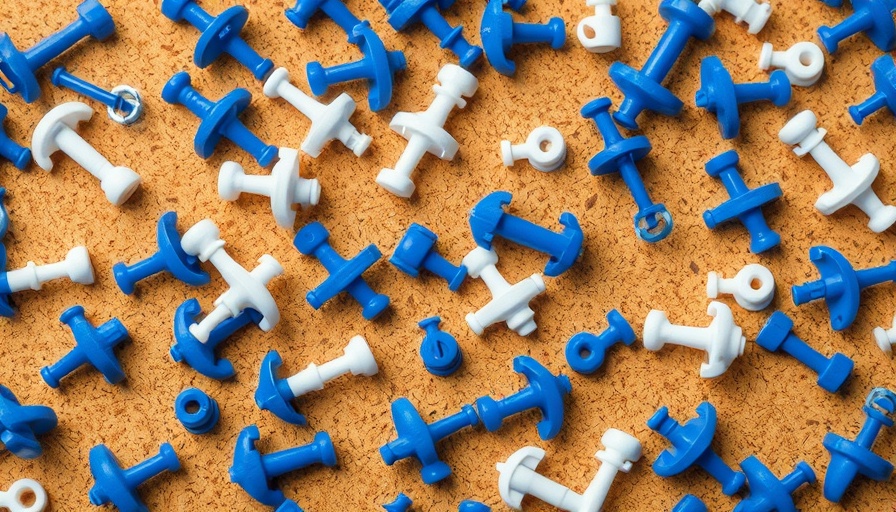
Assorted drywall anchors for choosing drywall anchors.

Understanding Drywall Anchors: The Essentials

When it comes to hanging objects securely on drywall, knowing the ins and outs of drywall anchors is crucial. For homeowners in Southeast Michigan, this knowledge can save you from costly accidents and help you achieve a flawless finish on your projects. Whether you’re constructing a new shelf for your favorite books or securing a stunning piece of artwork, the type of drywall anchor you use will determine how well your projects hold up over time.

The Three Main Types of Drywall Anchors

There's a range of drywall anchors, each designed for different applications. Let’s break down the most common types:

Plastic Expansion Anchors

Plastic expansion anchors are your go-to for light duties, with weight limits ranging from 5 to 25 pounds. These simple, cylindrical anchors are pushed into pre-drilled holes and expand when a screw is tightened, creating a firm grip in drywall. They are lightweight, easy to install, and perfect for hanging pictures or decorative items.

Molly Bolts

Molly bolts are more versatile, supporting weights of 25 to 50 pounds. These anchors feature a unique design with folds that spread the load against the drywall surface. After inserting the anchor into a pre-drilled hole and tightening the screw, the sleeves expand, ensuring a strong hold. One of the best things? You can remove and replace the screw without losing the anchor — a feature most handy for overhauls and seasonal changes.

Threaded Drywall Anchors

For the most robust solutions, consider threaded anchors that screw directly into the drywall. They hold an impressive 25 to 75 pounds. Unlike other types that require pre-drilling, these self-tapping anchors bite right into the drywall and can be easily installed with a screwdriver. They provide a solid hold for heavier items like TVs and bigger shelves.

Choosing the Right Anchor for Your Project

Before you dive into your project, weigh the item you're hanging. It’s best practice to select an anchor rated to hold 25 to 50 percent more than the object’s weight. For example, if your mirror weighs 10 pounds, opt for an anchor that can bear 12 to 15 pounds. This ensures safety and prevents damage to your walls.

Why Getting It Right Matters

Incorrectly choosing an anchor can lead to disastrous results, such as broken items and even personal injury. As a seasoned handyman who values DIY integrity, I stress the importance of proper anchor selection. Picture your new 60-inch TV tumbling from the wall — that’s a heartbreak you can avoid with the right tools and know-how!

It’s Better To Ask For Help

If you're tackling a large or critical job and feel unsure, don't hesitate to reach out to a professional. Sometimes, safety is worth investing in a helping hand. Remember, getting your home projects right isn’t just about hanging pictures; it’s about creating a space you love and feel safe in.

Join the DIY Community

Your home is a canvas for creativity. Engage with fellow DIY enthusiasts and share your successes—and failures. Have a project idea or anchor story? Head to local forums or social media and connect with other Southeast Michigan homeowners. Good luck, and remember to have fun as you improve your home!

Home

Write A Comment

*
*
Please complete the captcha to submit your comment.
Related Posts All Posts
04.08.2026

Transform Your Home with Expert Addition Solutions in Foxboro, MA

Update Why Choose a Local Home Addition Contractor? Homeowners in Foxboro, MA, often seek a trusted contractor for their home addition projects. A local expert understands the unique requirements of homes in the area, including architectural styles and local building codes. This knowledge allows them to offer tailored solutions that enhance your family's living space while ensuring compliance with necessary regulations. Benefits of Expanding Your Home Adding space to your home can significantly boost your property value. According to experts, well-planned home additions can yield a return on investment of up to 70%. Whether you're looking to add a significant family room or an extra bedroom, enhancing your living environment fulfills practical needs while creating a more inviting atmosphere. Popular Home Improvement Trends In the world of home renovation, it’s exciting to see trends that cater to owner preferences and lifestyle changes. For instance, open floor plans have gained popularity as they create fluidity between different living spaces. Incorporating smart home technology is another emerging trend, allowing homeowners to control lighting, heating, and security remotely, making the home feel more modern and efficient. Choosing the Right Contractor Selecting the right contractor can transform your renovation dreams into reality. It’s important to vet contractors carefully. Look for licenses, insurance, and positive reviews from previous clients. Engaging a professional enables you to avoid the common pitfalls associated with DIY renovations, ensuring that heavy lifting (both physically and logistically) is handled by experienced hands. Real-life Experiences of Homeowners Many homeowners report satisfaction after adding to their homes. One family in Foxboro shared how their addition not only provided more space but also brought the family closer together. The new kitchen extension quickly became a favorite spot for gatherings. This story underscores the emotional and functional benefits of expanding one's living space. Cost Considerations While home additions can involve significant expenses, proper planning can help manage costs effectively. It’s wise to set a budget and discuss it upfront with your contractor. Most importantly, consider your long-term plans: an addition may require maintenance and renovations down the road, so ensure your investment aligns with your overall vision. Final Thoughts Home additions can revive tired living spaces and boost family harmony. If you’re a homeowner considering a remodel, don’t hesitate. This is your opportunity to create a haven that fits your unique style and needs. Reach out to a professional contractor to explore your options and turn your home expansion dreams into reality.

04.05.2026

DIY Homemade Car Cleaning Slime: A Fun And Effective Solution

Update Transform Your Car Cleaning Routine with Homemade Slime Homeowners in Southeast Michigan are always looking for budget-friendly ways to maintain their homes and vehicles, and what better way than with a homemade car-cleaning slime? This simple DIY project not only brings back a sense of childhood fun but also helps to keep your car interior looking fresh and tidy. Getting Started: Ingredients and Requirements You’re about to channel your inner scientist with just four accessible ingredients found around the house. The best part? You’ll be amazed at how this gooey substance pulls dirt and debris from your car. Here’s what you’ll need to gather: 1 bottle (4 oz.) of Elmer's white glue 2 teaspoons of baking soda A few drops of your favorite blue food coloring (optional) 1-2 tablespoons of contact lens solution (it should contain boric acid or sodium borate, crucial for activating the slime) Don’t forget to fetch a mixing bowl and a plastic spoon for stirring! Step-by-Step Guide to Make Your Car-Cleaning Slime Prepare to get your hands a little sticky! Here’s how to put everything together: Mix the Ingredients: In your bowl, combine the glue, baking soda, and food coloring. Stir well to ensure a homogeneous mixture, then slowly incorporate the contact lens solution, which will cause the mixture to thicken and transform into a slime. Knead Your Slime: Once it’s thick, knead the slime by hand until it’s smooth and elastic. This process takes a few minutes and is a great kids' activity—you can even get them involved! Using the Slime: Test the slime on a small area of your car interior. Use it on hard plastic surfaces such as cup holders and air vents, avoiding upholstery to prevent damage. Fold the slime over to expose a clean side as you collect dirt. Storage Tips: Keep your slime in a zip-lock bag or a small container when not in use. Remember, don't leave it in the hot car! The Environmental Edge of DIY Cleaning Solutions By opting for DIY solutions like this colorful cleaning slime, not only are you saving money, but you’re also making an environmentally responsible choice. Many commercial cleaning products are laden with chemicals that can be harmful to both your health and the environment. Using household items minimizes waste while promoting sustainability—a real win-win for environmentally conscious homeowners. Common Questions About Homemade Cleaning Slime As you harness your newfound car cleaning skill, you might be wondering: Is car cleaning gel reusable? Yes! You can continually fold the dirty parts in to reveal a clean side. How long does it last? It will last as long as it can effectively pick up dirt and debris. When it’s done, just make a fresh batch! Take Action: Unleash Your Inner DIYer! Making this car cleaning slime is a fun experiment that elevates your car care routine. With just a few basic ingredients, you teach kids the science of cleaning while maintaining a tidy vehicle. Ready to give it a go? Gather your materials and dive in! Whether for a weekend project or an engaging homeschool activity, this DIY approach will delight you and inspire your family.

04.04.2026

Discover the Hidden Meaning of Tsurikawa: Heart with Horns in Car Culture

Update What Does a Heart with Horns Really Mean? Have you ever spotted a heart with horns hanging from a car and wondered what it represents? It’s an intriguing image that many might mistake for an unusual ornament or even something related to a quirky automotive modification. In reality, this eye-catching accessory is called a tsurikawa, and it carries a rich history rooted in Japanese car culture. Understanding the Tsurikawa Originally, tsurikawa were practical straps found in Japanese trains, allowing standing passengers to maintain their balance during travel. The term itself comes from the Japanese words “tsuri,” meaning “hang,” and “kawa,” meaning “leather.” However, in the world of automotive culture, this simple accessory has evolved into a symbol of identity, rebellion, and style. From Trains to Cars: A Journey Through Time The transition of tsurikawa from trains to cars can be traced back to the 1970s when Japan saw the rise of Bosozoku gangs, notorious for their flashy customizations and disregard for conventional norms. They would often steal these straps and attach them to their vehicles, making a bold statement against mainstream culture. Over decades, tsurikawa gained a status of prestige among car enthusiasts, embodying a passion for custom automotive expression. Diverse Designs and Meanings Behind Tsurikawa Accessories Today’s tsurikawa come in various designs, from classic rings to vibrant shapes like hearts, stars, and even popular anime characters. Each design not only enhances the aesthetic appeal of a vehicle but also represents a personal statement from the car owner, a hallmark of unique identity in the JDM (Japanese Domestic Market) car scene. The Cultural Impact of Tsurikawa in Automotive Communities The message behind these accessories goes beyond mere decoration; they symbolize a community that thrives on individuality and rebellion against the ordinary. By hanging a tsurikawa on their cars, drivers express their love for car culture and their distinct personalities. This is especially significant for homeowners and car lovers in regions like Southeast Michigan, where automotive passion and DIY spirit flourish. Installing a Tsurikawa: Bringing Japanese Culture to Your Ride Thinking about adding a tsurikawa to your vehicle? Installation is quite simple! You’ll need the strap, a provided installation kit, and a Phillips screwdriver. Choose a location that suits your style—commonly, tsurikawa are attached to the rear or front bumper. It’s essential, however, to avoid using them for towing, which could lead to costly damages. The Global Popularity of Tsurikawa Initially rooted in Japanese culture, the love for tsurikawa has spread globally. In Australia, for instance, car enthusiasts have adopted these unique accessories into their automotive scene. The interesting evolution of tsurikawa highlights how cultural symbols can adapt and resonate with diverse communities across the world. Make a Statement with Tsurikawa The next time you see a heart with horns—don’t just dismiss it as a quirky accessory. Take a moment to appreciate the history and significance behind the tsurikawa. For homeowners and car enthusiasts alike, it could be a fun way to show creativity while respecting the automotive tradition. As you explore ways to personalize your car, consider how this Japanese accessory could reflect your style and passion. With its unique charm and cultural history, a tsurikawa might just be the perfect addition to your vehicle.

Terms of Service

Privacy Policy

Core Modal Title

Sorry, no results found

You Might Find These Articles Interesting

T
Please Check Your Email
We Will Be Following Up Shortly
*
*
*